
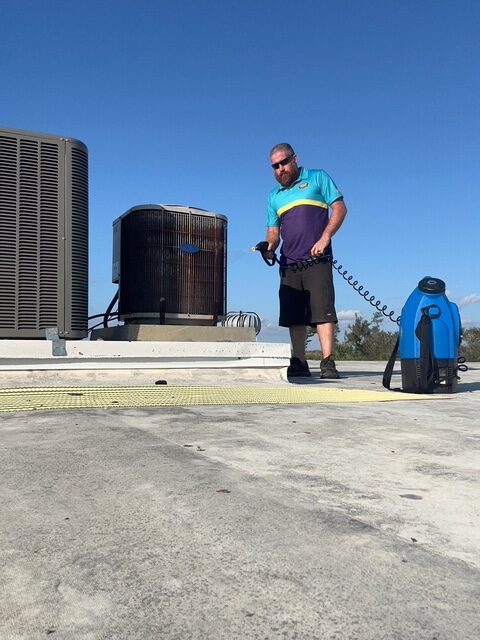
A Florida Homeowner’s Complete Guide (Fort Myers, Cape Coral, Lehigh Acres & Beyond)
If you’re a Florida homeowner, your air conditioner runs harder and longer than almost anywhere else in the country. Between year-round cooling, high humidity, pollen, lawn debris, and salt air, it’s no surprise many people ask:
“Can I wash my outside A/C unit with water?”
The short answer is yes — but only if you do it correctly. Done the wrong way, rinsing your A/C can bend coils, reduce efficiency, or cause costly damage. This guide explains what’s safe, what’s not, and when you should call a professional, with Florida-specific advice for homes in Fort Myers, Cape Coral, Lehigh Acres, Naples, Punta Gorda, and surrounding areas.
Why Florida A/C Units Get Dirty So Fast
Outdoor A/C units (called condensers) are designed to move heat out of your home. To do that efficiently, air must flow freely across the condenser coils. In Florida, that airflow gets blocked faster than most homeowners realize.
Common Florida causes of dirty A/C units
Grass clippings from frequent mowing
Heavy pollen in spring and early summer
Sand and salt air (especially near the coast)
Fertilizer residue and irrigation overspray
High humidity causing debris to “stick” to coils
Even a thin layer of dirt can force your system to work harder, increasing electric bills and shortening equipment life.
Is It Safe to Wash an Outside A/C Unit With Water?
Yes — if you follow the correct method
Using a garden hose with gentle pressure can safely remove surface dirt and debris from your outdoor A/C unit. Light rinsing is actually beneficial and can help maintain efficiency during Florida’s hottest months.
No — if you use high pressure or improper techniques
Pressure washers, harsh chemicals, or spraying the wrong areas can permanently damage the unit.
Many A/C service calls in Fort Myers and Cape Coral start with:
“I tried to clean it myself, and now it’s not cooling.”
How to Safely Rinse Your Outdoor A/C Unit (Step-by-Step)
Step 1: Turn Off the Power
Always shut off power at the outdoor disconnect (usually a small gray box near the unit). Never rely on the thermostat alone.
Step 2: Clear Large Debris
Remove leaves, palm fronds, or grass clumps by hand. Make sure there’s at least 2 feet of clearance around the unit.
Step 3: Use Gentle Water Pressure
Use a standard hose — no pressure washer. Light pressure is all you need.
Step 4: Spray From the Outside In
Spray straight across the coil fins, not downward or at an angle. This pushes dirt out the same direction it entered.
Step 5: Let It Dry
Allow the unit to air dry for 10–15 minutes before restoring power.
Total time: 5–10 minutes
Recommended frequency: Every 1–2 months during heavy use
What You Should NEVER Do When Washing an A/C Unit
Avoid these common mistakes Florida homeowners make:
Using a pressure washer
Spraying directly into the top fan
Bending or flattening aluminum fins
Using bleach, degreasers, or acidic cleaners
Cleaning while the system has power
Why pressure washers are dangerous
Condenser fins are thin aluminum. High pressure bends them shut, restricting airflow and reducing efficiency — sometimes permanently.
Signs Water Alone Is NOT Enough
Rinsing is helpful for light dirt, but it won’t fix deeper issues. Call a professional if you notice:
A/C runs constantly but struggles to cool
Warm air from vents
Electric bills climbing unexpectedly
Greasy or matted buildup on coils
Ice forming on refrigerant lines
Musty or humid indoor air
These symptoms often indicate restricted airflow, dirty indoor coils, or refrigerant issues — problems water alone cannot solve.
Florida Coastal Homes: Special Considerations
If you live in Cape Coral, Fort Myers Beach, Naples, or near the Gulf, salt air creates a unique challenge.
Salt air effects on A/C systems
Accelerates coil corrosion
Causes microscopic pitting in aluminum
Reduces heat transfer efficiency
Shortens system lifespan
Even if your coils look clean, internal corrosion may already be forming. Coastal homes benefit greatly from professional coil treatments and scheduled maintenance.
How Dirty Coils Affect Your Electric Bill
When coils are dirty:
Heat can’t escape efficiently
Compressor runs longer
Energy consumption increases
Wear and tear accelerates
In Southwest Florida, this can add hundreds of dollars per year to cooling costs — especially during peak summer months.
DIY Rinsing vs Professional A/C Maintenance
DIY rinsing is good for:
Light dirt and pollen
Routine upkeep
Between professional visits
Professional maintenance includes:
Chemical coil cleaning
Drain line flushing
Electrical inspection
Capacitor and contactor testing
Airflow and temperature checks
Most Florida systems should receive professional maintenance at least once per year, ideally before peak summer heat.
How Often Should Florida Homeowners Clean Their Outside A/C?
General guideline:
Light rinse: Every 30–60 days
Professional service: Annually (or twice yearly for coastal homes)
Homes in Lehigh Acres with heavy landscaping or Fort Myers neighborhoods with frequent mowing may need more frequent attention.
Frequently Asked Questions
Can I wash my A/C unit while it’s running?
No. Always turn off power at the disconnect to avoid electrical damage or injury.
Can rain clean my A/C unit?
Rain helps slightly, but it’s not enough to remove stuck-on debris or pollen buildup.
Should I cover my A/C unit?
In Florida, no. Units are designed for rain and airflow. Covers can trap moisture and cause corrosion.
Can cleaning improve cooling performance?
Yes. Even light debris removal can improve airflow and efficiency.
When It’s Time to Call a Professional
If your system is:
Over 10 years old
Running nonstop
Failing to dehumidify
Making unusual noises
…it’s time for a professional inspection — not just a rinse.
Call to Action: Schedule Professional A/C Maintenance in Southwest Florida
Lightly washing your outside A/C unit is a great DIY step — but it’s not a substitute for professional care, especially in Florida’s harsh climate.
If you’re in Fort Myers, Cape Coral, Lehigh Acres, Naples, Punta Gorda, or surrounding areas, professional maintenance can:
Lower electric bills
Improve cooling performance
Extend system lifespan
Prevent surprise breakdowns
👉 Schedule your A/C maintenance today and make sure your system is ready for Florida heat — before the next heat wave hits.
